Traditional Jordanian handmade rugs
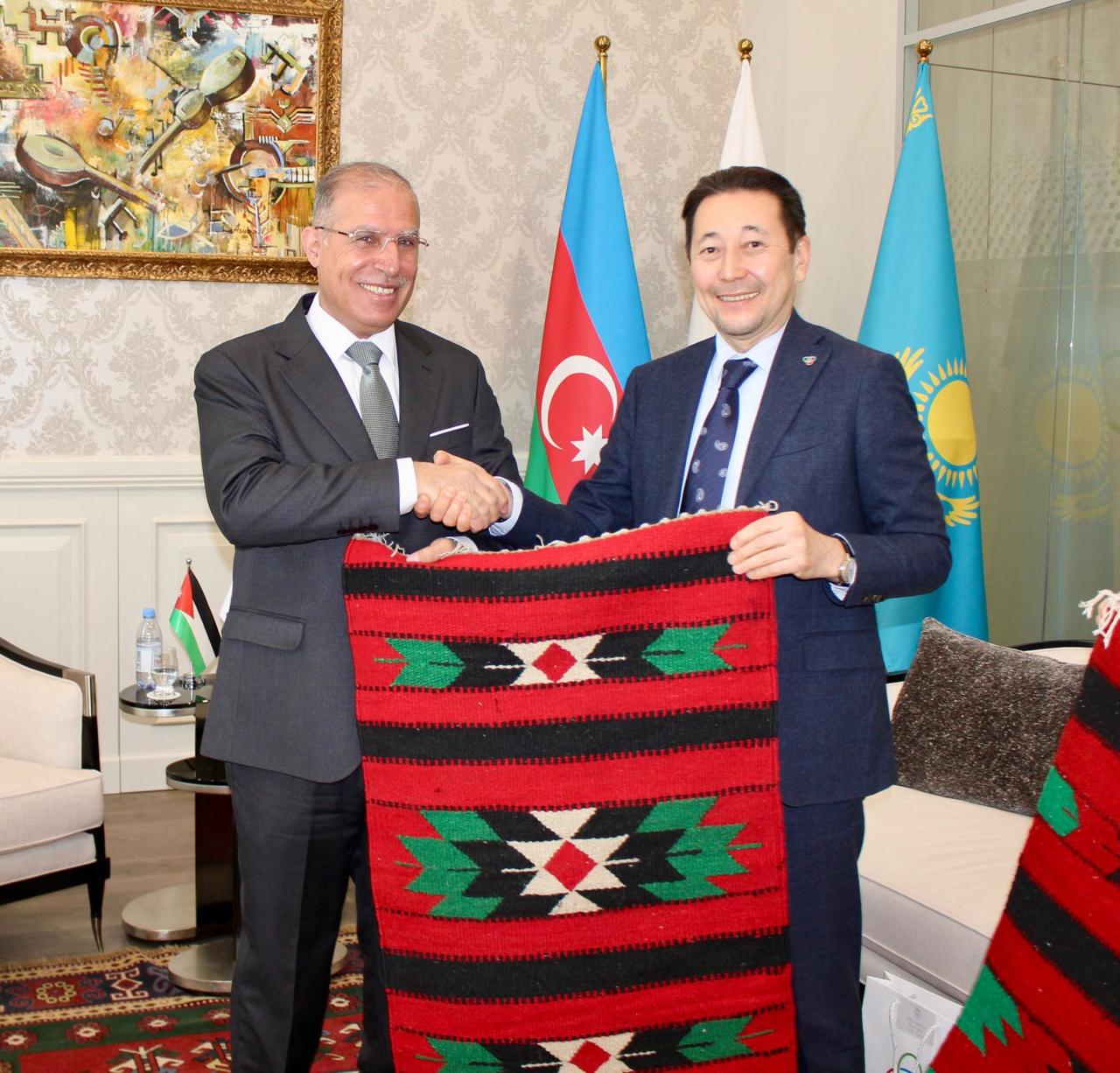
Traditional Jordanian handmade rugs are deeply intertwined with the country’s nomadic history and cultural identity. For centuries, weaving was an essential daily skill practiced primarily by Bedouin and rural women to create tents, storage bags, floor coverings, and cushions capable of withstanding harsh desert life.
Today, these rugs are celebrated global symbols of Jordanian heritage, renowned for their striking geometric beauty and structural durability.
1. The Craft & Loom Technique:
The most defining characteristic of authentic Jordanian weaving is the use of the ground loom or what is called horizontal loom.
The loom is pinned flat to the ground, often outdoors. The weaver sits at one end, methodically hand-weaving the horizontal threads (weft) through the tightly stretched vertical threads (warp). It requires immense physical strength, precision, and years of practice to keep the tension uniform across the entire rug.
2. Materials and Dyes:
Authentic Jordanian rugs are entirely sustainable, made using locally sourced materials and ancient processing methods:
The Wool: Artisans use raw sheep's wool and goat hair harvested from local livestock. The combination of these two fibers creates an incredibly dense, water-resistant barrier. More premium, rarer pieces sometimes incorporate soft camel hair.
The Process: Every single step – washing the raw wool, carding (combing the fibers), spinning it into sturdy threads using a drop spindle, and dyeing – is done entirely by hand.
Natural Colors: Historically, weavers extracted vibrant hues directly from nature. They used pomegranate peels and onion skins for rich reds and oranges, indigo plants from the Jordan Valley for deep blues, cumin roots for earthy yellows, and sumac berries or insects for crimsons and pinks.
3. Design and Patterns:
Jordanian rugs are instantly recognizable by their bold, minimalist geometric aesthetics. They typically feature striking horizontal stripes, chevrons, triangles, and diamonds. These geometric motifs often reflect the landscape and local folklore, subtly incorporating abstract representations of trees, desert waves, feathers, and flowers. Traditional palettes lean heavily into deep maroons, navy blues, greens, and blacks, though modern iterations include brighter highlights of gold and orange to suit contemporary homes.
4. The Bani Hamida Renaissance:
In the late 20th century, as nomadic Bedouins began transitioning into permanent, modern homes, the art of ground-loom weaving faced a serious risk of fading away. The art form was largely rescued and revitalized by the Bani Hamida Women’s Weaving Project which has been managed under the Jordan River Foundation. Based around the villages of Madaba and Makawir, this social enterprise empowered local women to turn their ancestral knowledge into a thriving micro-economy. Today many women weave from home, earning fair wages and keeping their cultural history alive while introducing their unique rugs to international markets.
