TRADITIONAL KYRGYZ YURT
(Reference Information)
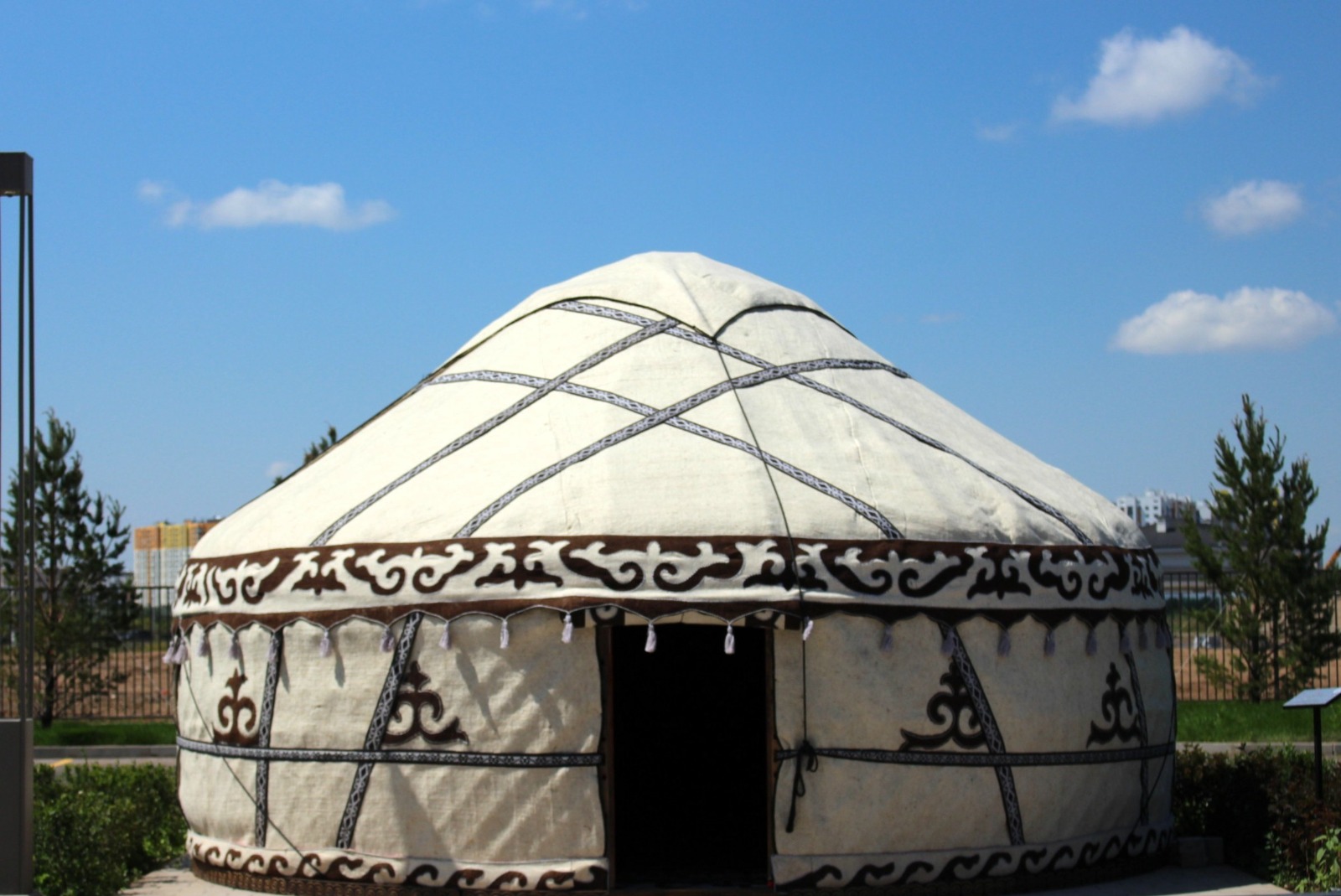
The yurt (in Kyrgyz: boz üy) is the traditional portable dwelling of nomadic Kyrgyz people and a symbol of their culture and lifestyle.
It is a dome-shaped structure made of a wooden frame and covered with felt adorned with national ornaments. The yurt is easily dismantled, transported and reassembled, making it an ideal dwelling for nomadic people.
Main Parts of the Yurt
Symbolism and Significance
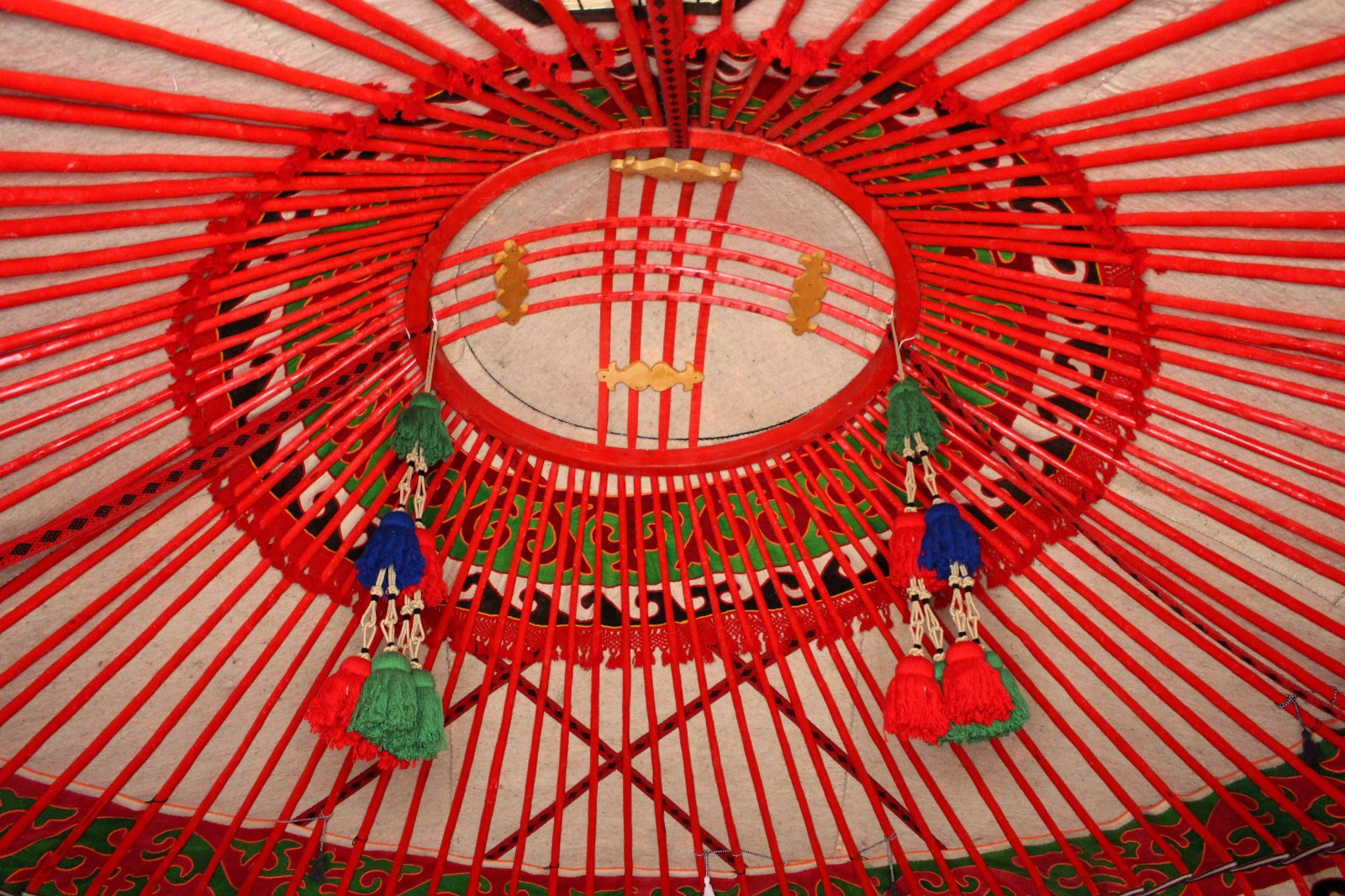
The yurt carries deep meaning for the Kyrgyz people. It is not merely a home, but a symbol of the hearth, homeland and the nomadic identity. The yurt reflects family unity, hospitality and the spiritual and material values of the nation.
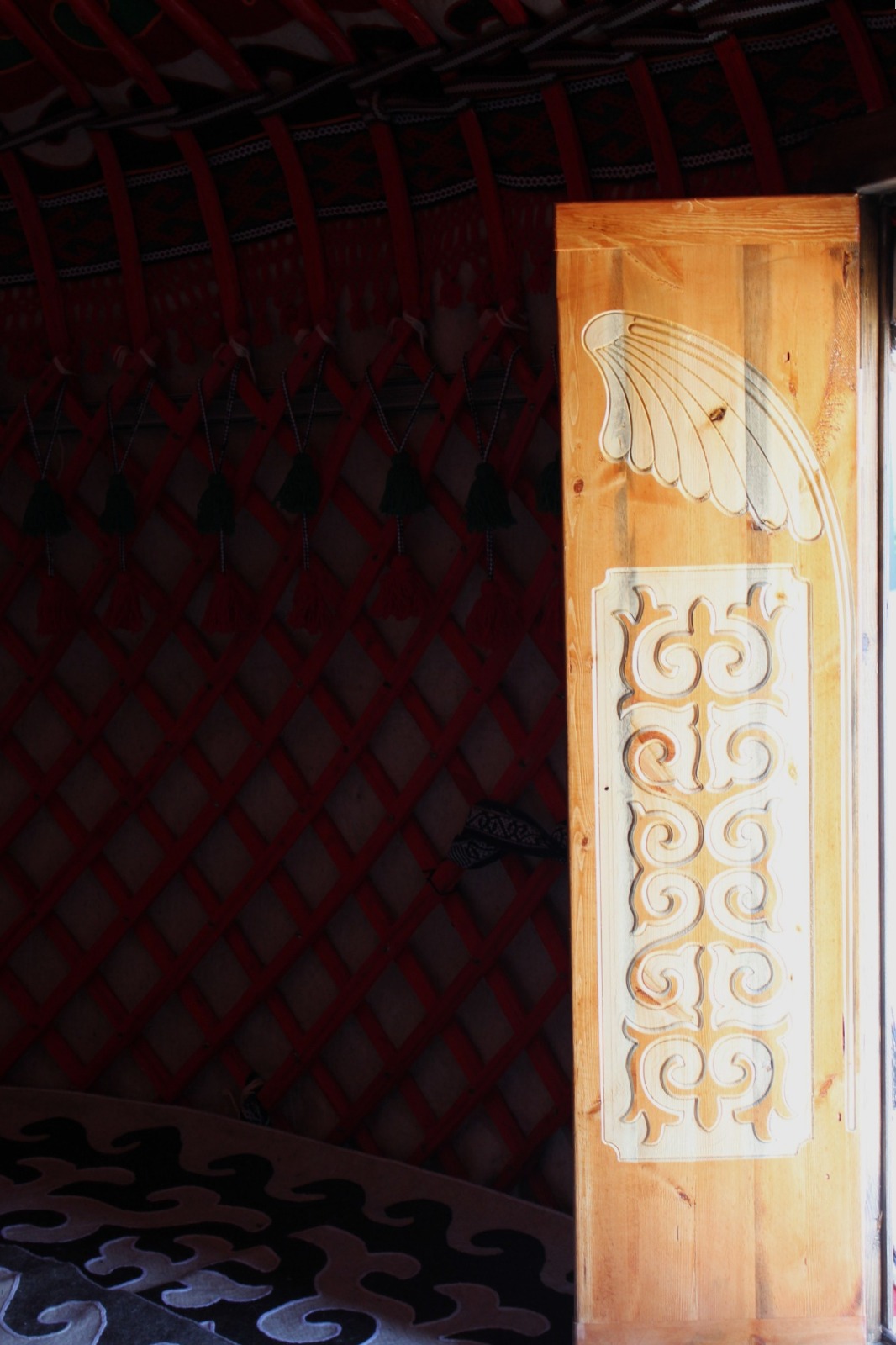
Every item inside the yurt has its place and meaning. Ornaments and patterns on felt and textiles often depict elements of nature, mythology and ancestral heritage.
While most Kyrgyz people today live in modern homes and apartments, the yurt remains a vital part of national identity. It is widely used for cultural events, tourism and as summer housing for herders in mountain regions.
The word yurt originates from a root meaning “homeland” or “fatherland” (ata-zhurt in Kyrgyz).
Yurt Dimensions
The yurt presented at the CICA Headquarters has a diameter of 6 metres and a height of 3.6 metres. As noted earlier, this is a six-wall yurt, meaning it is constructed using six kerege sections.
