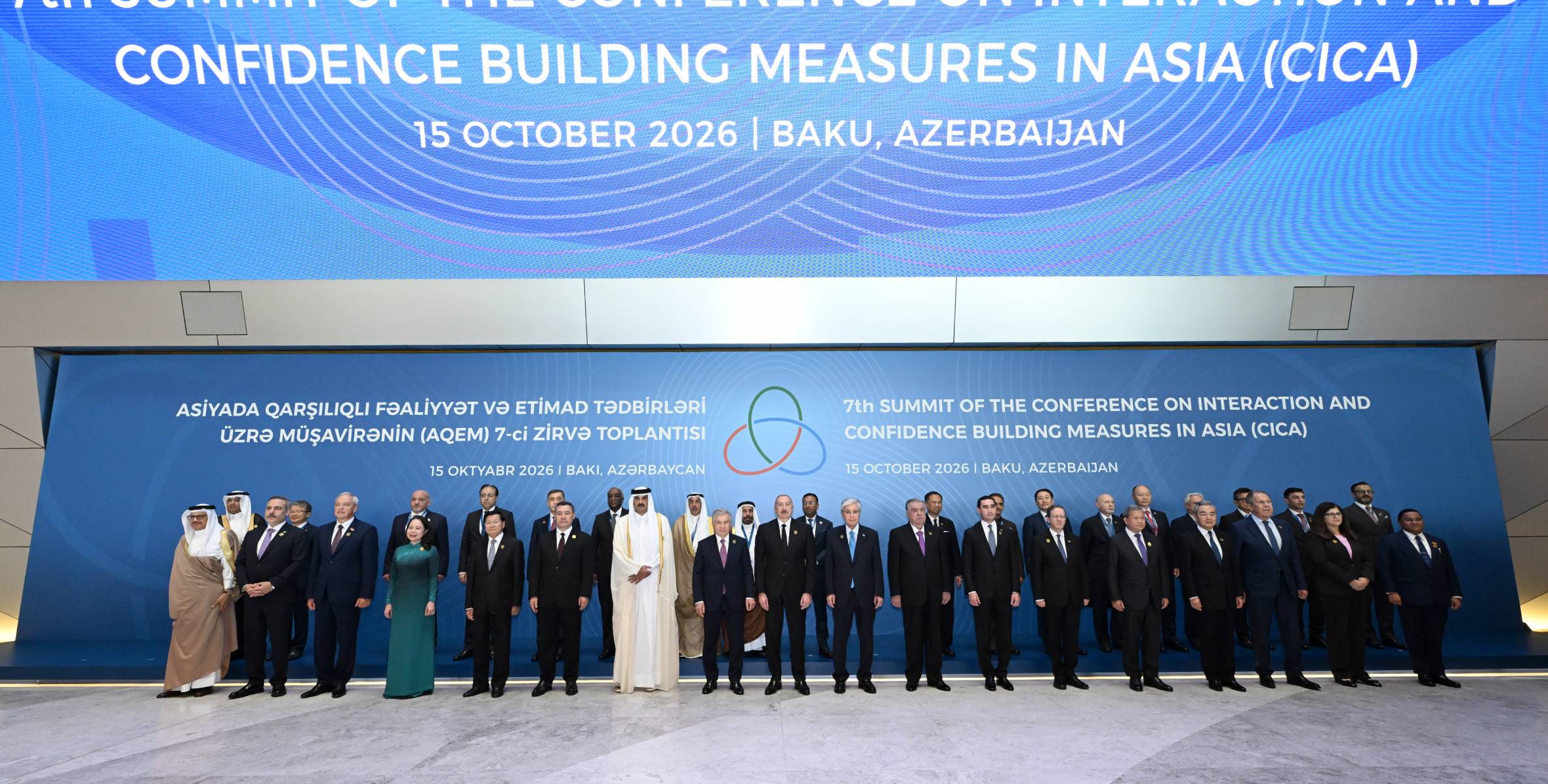
15 October, 2026, Baku – The Seventh Summit of the Conference on Interaction and Confidence Building Measures in Asia (CICA) took place in the capital of the Republic of Azerbaijan. The high-level meeting summarized the outcomes of Azerbaijan's two-year chairmanship, held under the motto "Stronger CICA: Connectivity, Digitalization and Sustainable Growth in Asia", and reflected the key achievements of CICA, including within the framework of the transformation process launched in 2022 at the Astana Summit.
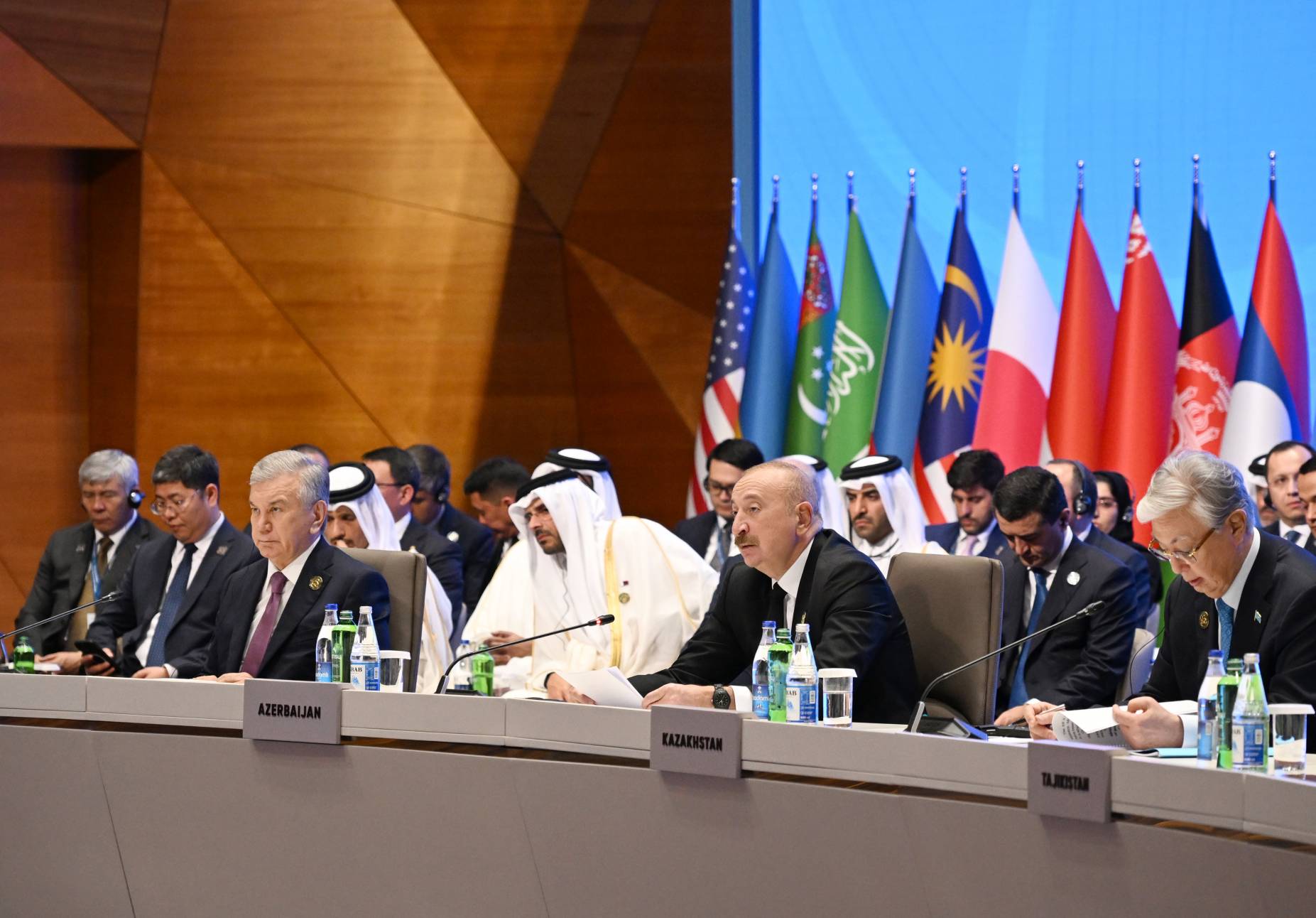
Opening the plenary session, President of Azerbaijan Ilham Aliyev noted that amid the crisis in global security, equitable multilateral dialogue, where regional formats effectively complement UN efforts, acquires critical importance. In this regard, according to the Azerbaijani leader, the role of CICA as a reliable platform for confidence building is growing. Focusing on the formula of "peace through development", Baku, during its chairmanship, directed efforts toward transport connectivity, digitalization and the environmental agenda, bolstering them with the institutional strengthening of CICA (read the full address here).
During the statements at the session, it was emphasized that a just and lasting settlement of protracted conflicts based on the principles of international law and UN resolutions remains the indispensable foundation for long-term peace across Asia. The Summit participants reaffirmed their commitment to the principles of good neighborliness, respect for sovereignty and territorial integrity and the maintenance of secure conditions for trade and communications.
Translating this course into practice was reflected in the specific initiatives of the delegations. In the context of the preventive security architecture, Kazakhstan advocated the launch of the CICA Preventive Diplomacy Mechanism, emphasizing that preventing emerging conflicts is more effective than post-crisis settlement measures. Expanding on this theme, China focused on ensuring common, comprehensive, cooperative and sustainable security, as well as strengthening the coordinating role of the UN. For its part, Cambodia underscored its unwavering commitment to the peaceful resolution of disputes and strict adherence to the norms of international law to maintain stability in the region.
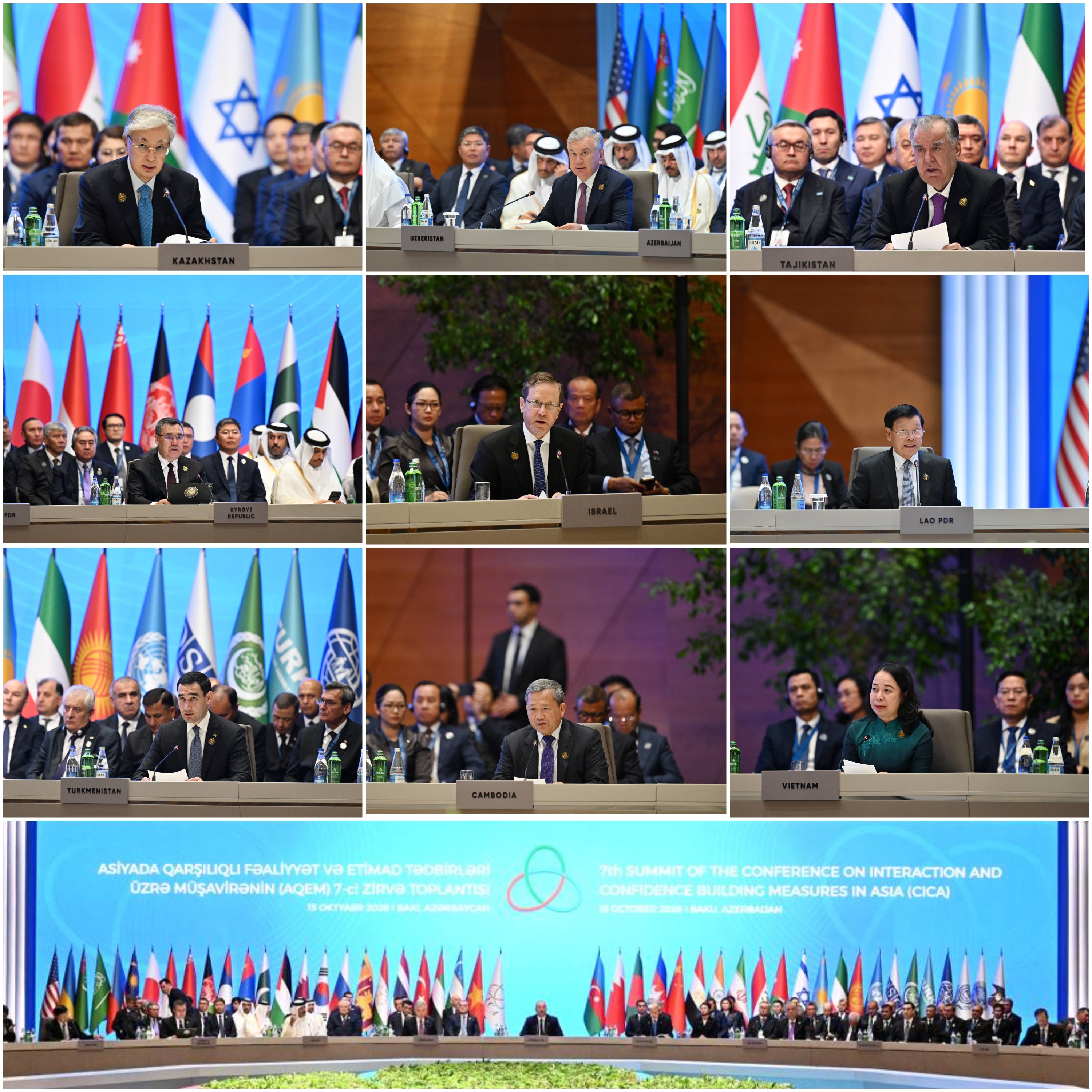
In the sphere of economy and connectivity, large-scale transcontinental projects took center stage. The Summit featured an initiative to develop a comprehensive CICA Strategy on transport connectivity to synergize the potential of the Belt and Road Initiative, the Middle Corridor and the North-South corridor. Advancing this theme, Kyrgyzstan called for the accelerated development of logistics infrastructure. The Chinese side noted that aligning the national development strategies of the Member States is an important condition for this. Furthermore, attention was drawn to deepening close interaction and synergy between CICA and the dynamically developing economies of Southeast Asia.
Special attention was paid to the environment, particularly climate change and resource scarcity. Kazakhstan proposed the establishment of a CICA Water Partnership. Leveraging its status as a non-permanent member of the UN Security Council to synergize global and regional efforts, Kyrgyzstan put forward an initiative to create a UN-backed trust fund for the preservation of Lake Issyk-Kul, combating land degradation and protecting mountain biodiversity, announcing its readiness to allocate $10 mln n for these purposes.
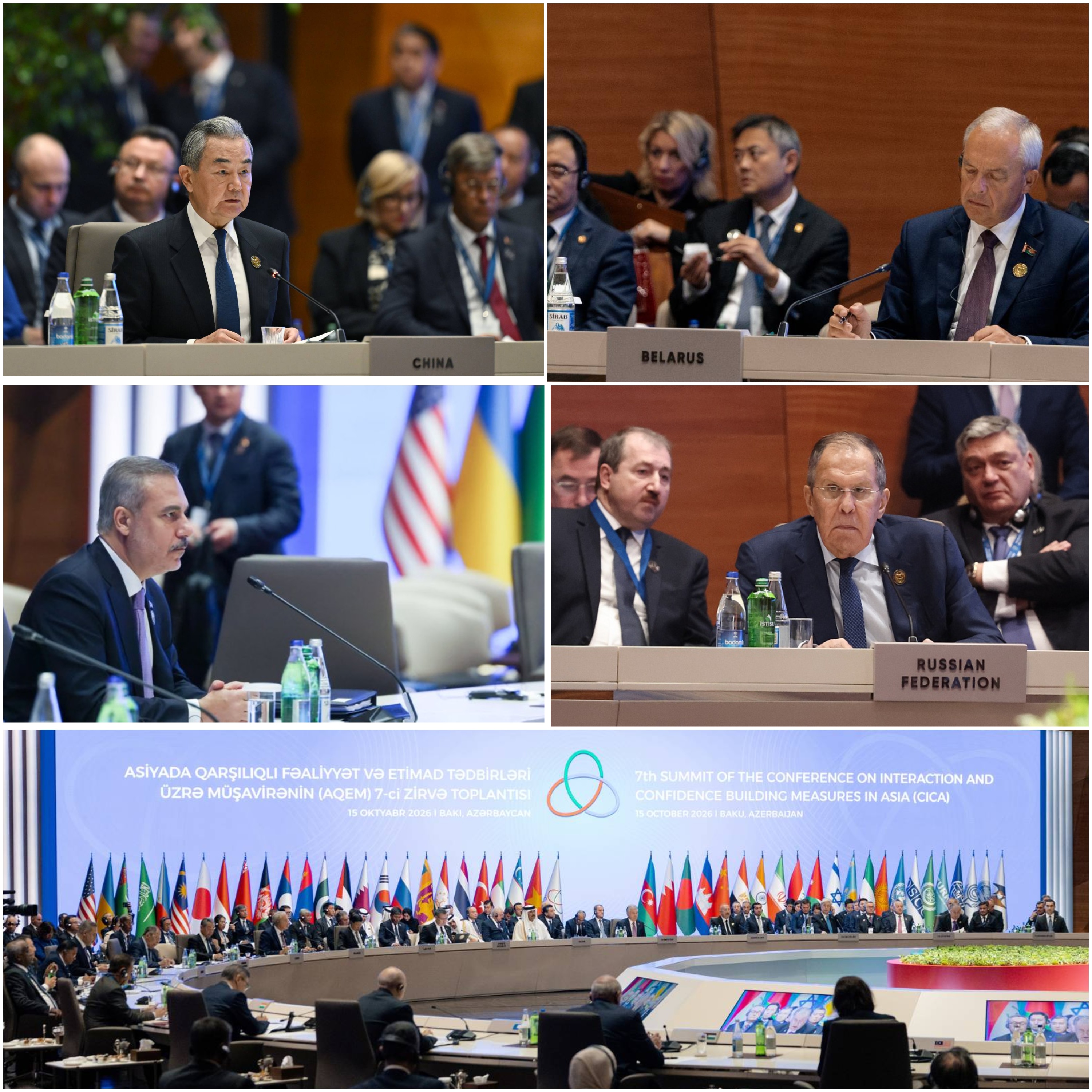
In the block of humanitarian initiatives, Tajikistan emphasized the importance of "people-to-people diplomacy" and expanding the mandate of the CICA Youth Council. Russia noted the significance of developing the volunteer movement and volunteerism as an important factor in civic responsibility. Complementing this was an initiative to launch a large-scale scholarship program in the field of human capital for students and scholars from Asian countries. The practical experience of Southeast Asian countries organically fit into this block, including Thailand's initiatives to strengthen interregional dialogue through partnership with ASEAN and human capital development.
A number of Member States, including Kazakhstan and Uzbekistan, noted the importance of enhancing cooperation in the field of artificial intelligence. Responding to contemporary challenges in technology and new threats, it was proposed to designate the sphere of artificial intelligence as a separate, sixth dimension of cooperation, which will allow countries to jointly control risks and develop a secure digital environment.
Subregional interaction holds special importance in maintaining stability on the continent. In this regard, it was noted that deepening multifaceted cooperation and building a trust-based dialogue in Central Asia forms a reliable foundation that positively affects the partnership climate and strengthens security across the vast CICA area.
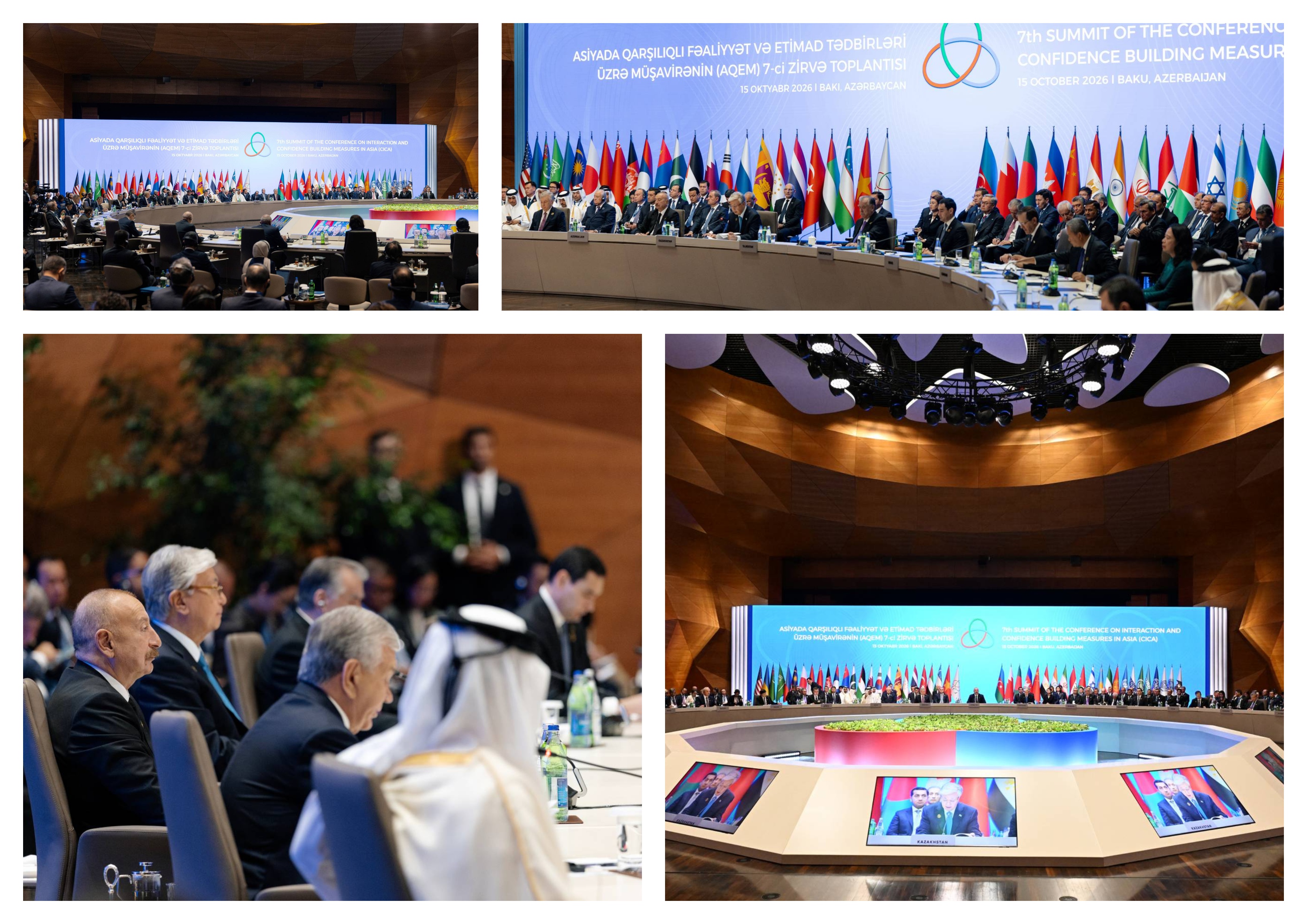
The totality of the proposals put forward reflects the practical returns of multifaceted cooperation and confirms CICA's readiness to address pressing contemporary challenges.
A significant success in developing CICA's legal status was the ratification of the Convention on the Privileges and Immunities of the Secretariat by the Senate of Cambodia – the fourteenth state, which provided the necessary conditions for its entry into force.
The Seventh Summit marked another historic step in the expansion of CICA's membership: the Lao People's Democratic Republic officially became the 29th Member State. This event reflects the steady growth of the organization's authority and its journey from a 1992 initiative and 16 countries at the first Summit in 2002 to 29 states today, covering almost 90% of Asia's territory and more than half of the world's population.
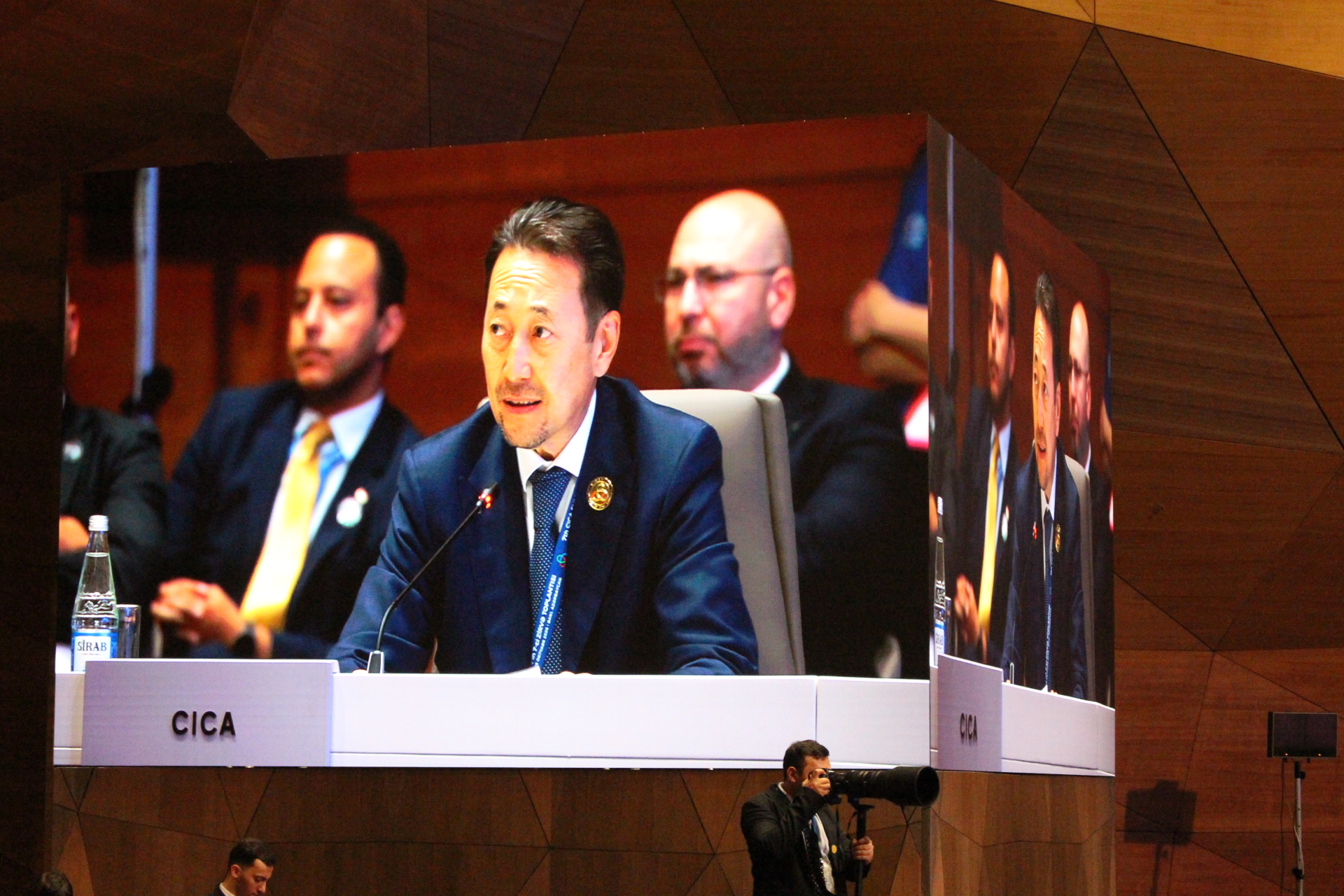
The CICA Secretary General, whose mandate as the head of the executive body has come to an end, addressed the Summit with a report. The Member States expressed their gratitude to Secretary General K. Sarybay for his effective leadership of the Secretariat and his efforts to practically advance the CICA agenda (read the full statement here).
Upon the completion of the term of office of the current Head of the Secretariat, the Member States unanimously supported the candidacy of Ambassador Sultan Hajiyev, nominated by Azerbaijan, approving him as the new CICA Secretary General for the period of 2026–2030.
The main outcome document of the meeting was the Baku Declaration of the Seventh CICA Summit, which clearly reaffirmed the unbreakable unity and solidarity of the Member States on key issues of Asian and global security. In addition, the participants approved the Statement on Cooperation in the Field of Occupational Safety and Health – a joint initiative of China and Azerbaijan aimed at practical interaction among the Member States in this sphere.
Expressing gratitude to the Republic of Azerbaijan for its successful chairmanship, the CICA Member States decided to extend the mandate of Azerbaijan as the CICA Chairmanship for the period of 2026–2028.
The outcomes of the Summit held in Baku have laid a practical foundation for the further deepening of multifaceted cooperation on the Asian continent.
