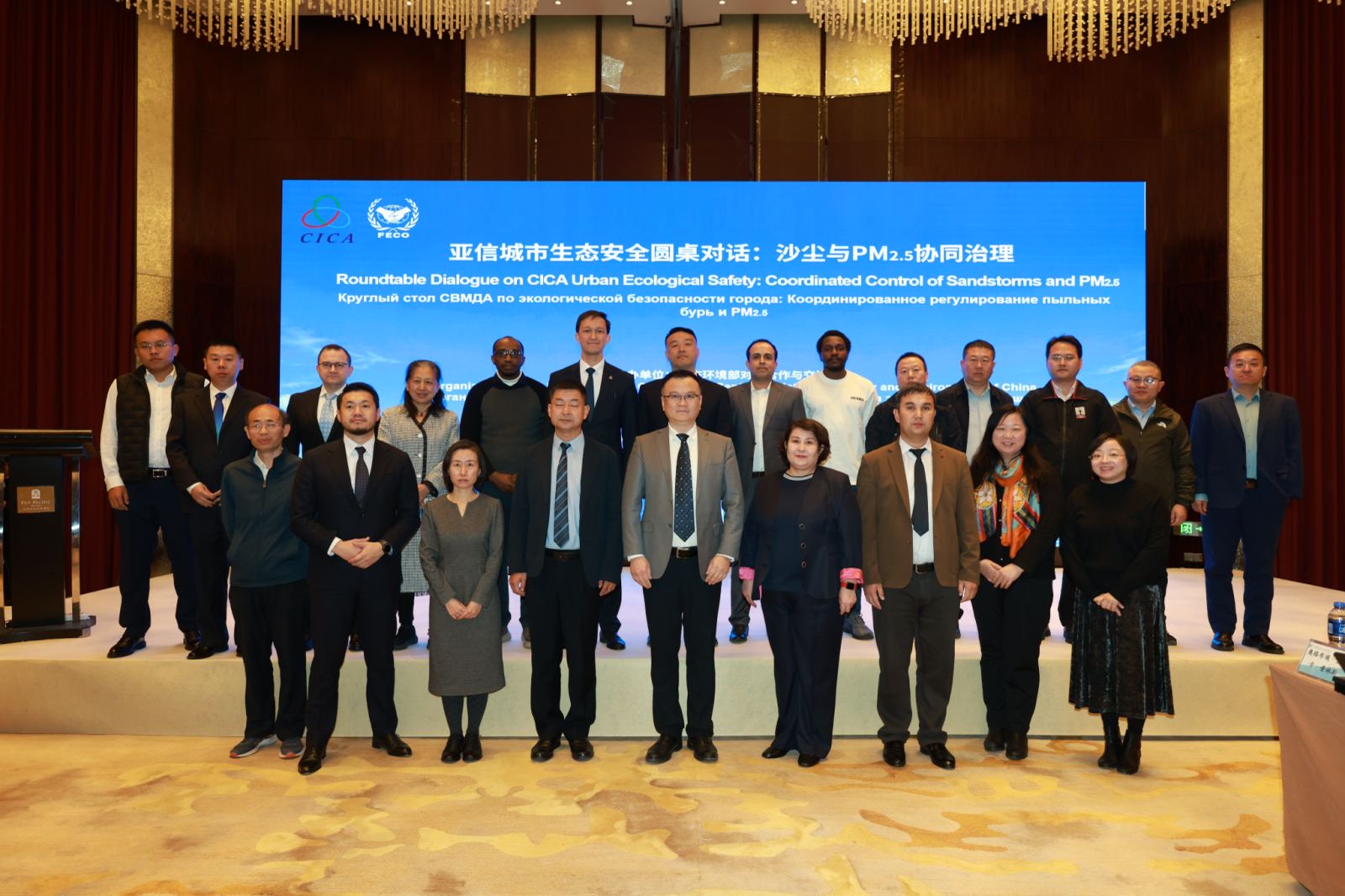
Beijing, 3–4 November 2026 – The Roundtable Dialogue on CICA Urban Ecological Safety: Coordinated Control of Sandstorms and PM2.5 brought together government officials, scientists, research institutions, international organizations and private-sector representatives to exchange practical experience in tackling air pollution, sand and dust storms, and desertification. Organized by China’s Ministry of Ecology and Environment through its Foreign Environmental Cooperation Center, the two-day event placed particular emphasis on scientific collaboration, technology exchange, capacity building and opportunities for joint projects across the CICA region.
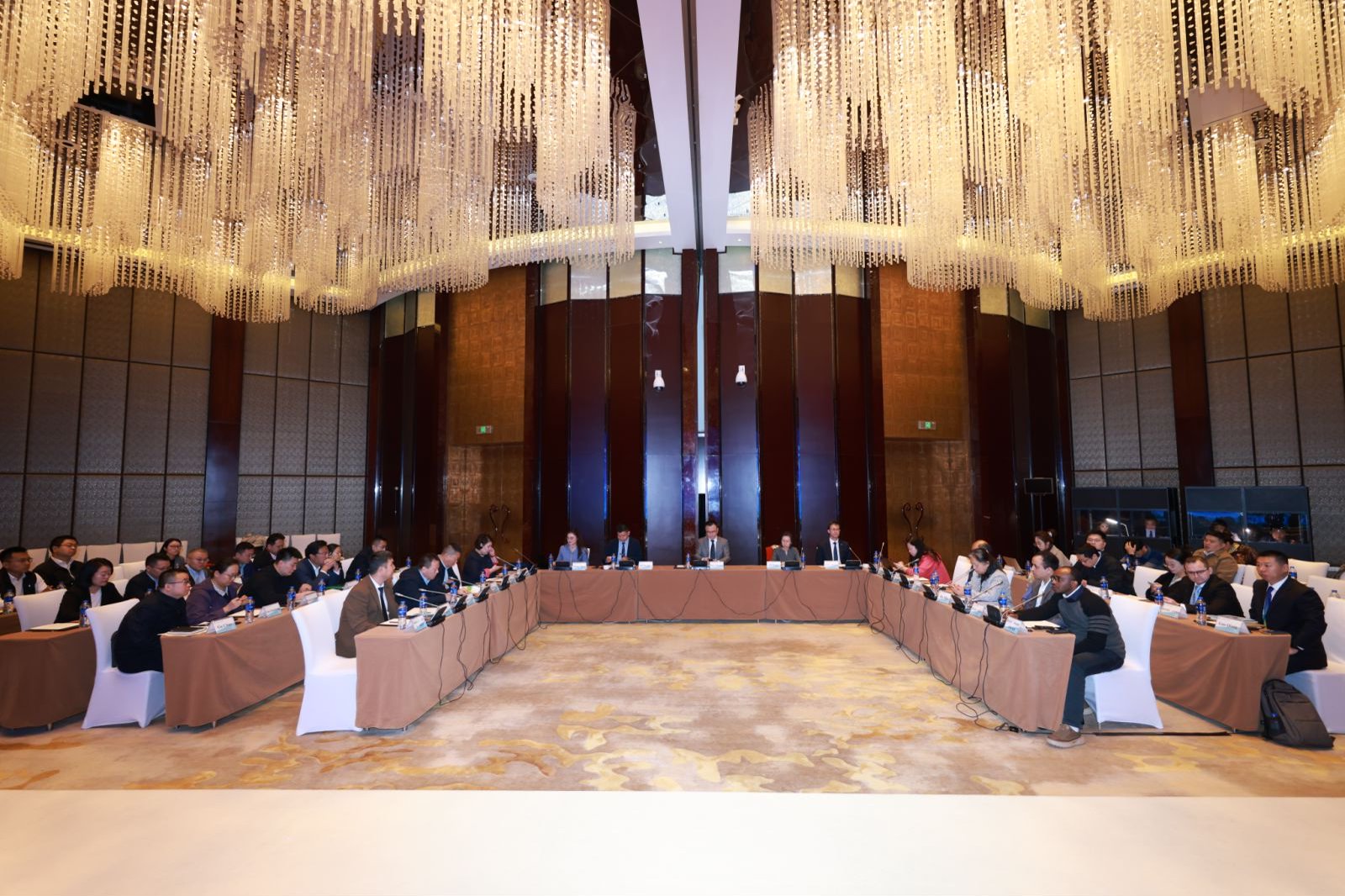
At the opening ceremony, senior representatives of the Chinese Ministry of Ecology and Environment, including officials responsible for international cooperation and atmospheric environmental management, set out the importance of coordinated approaches to dust and fine particulate pollution. Discussions highlighted the links between atmospheric governance, public health and environmental resilience, and the value of combining regulatory measures with scientific evidence, technological innovation and cooperation among neighbouring countries.
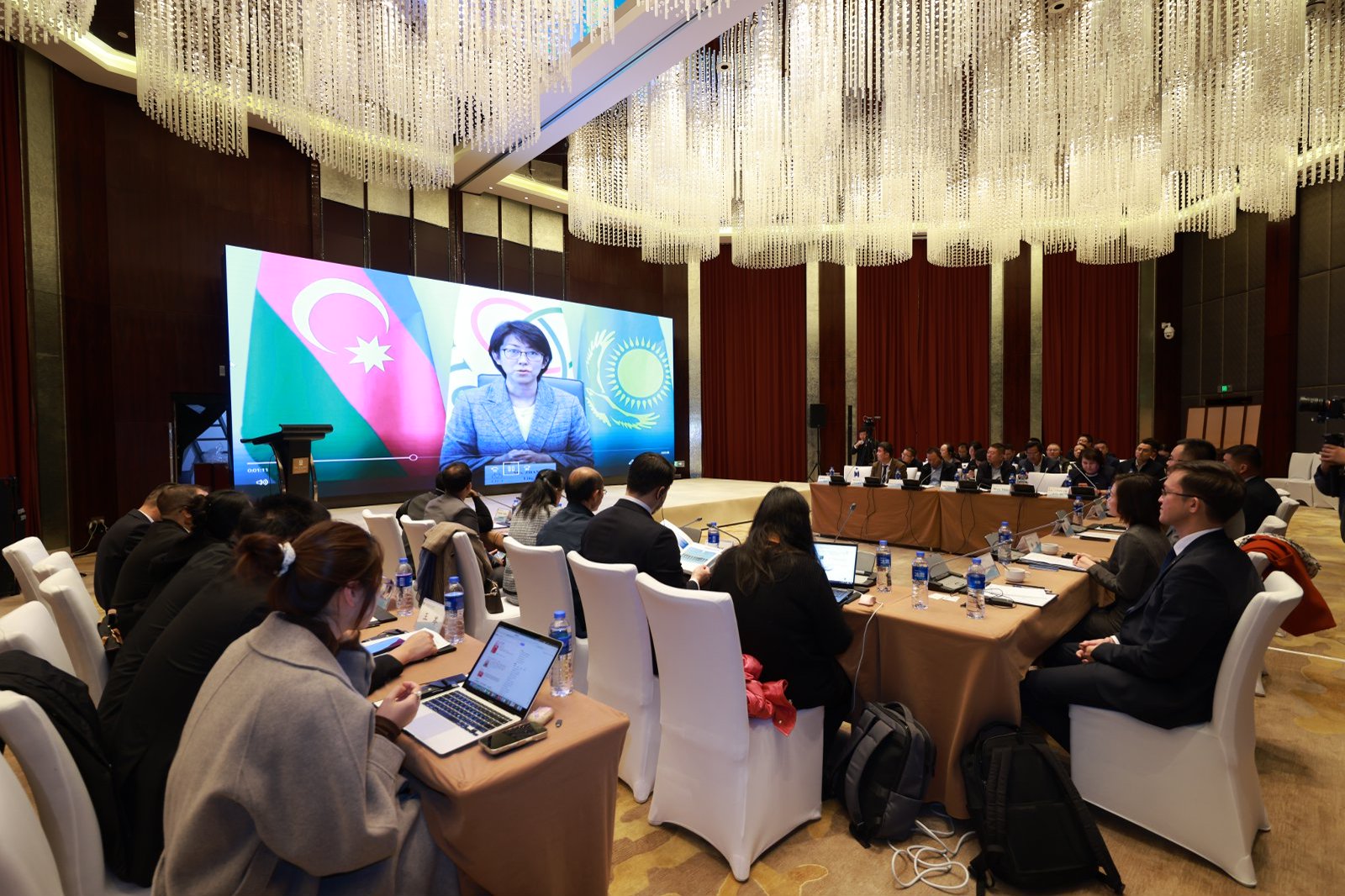
In her online opening remarks, CICA Deputy Secretary General Zhang Ling stressed that sandstorms and air pollution transcend national borders and require collective, practical responses. She recalled that the CICA Environmental Dimension covers sustainable development, natural disaster management and environment protection, the latter coordinated by Mongolia with Bangladesh and China as co-coordinators. Referring to the first CICA Ministerial Conference on Environmental Issues in 2024, she noted the foundation it provided for exchanges on pollution control, climate action and environmental sustainability. She also highlighted initiatives advanced under the Azerbaijani Chairmanship, including circular green tourism and green-economy practices for small and medium-sized enterprises, alongside contributions by Member States to regional environmental cooperation.
The first-day sessions reviewed a wide range of national and technical approaches. Chinese experts presented research on the health effects of dust exposure, the evolution and climatic impacts of airborne particles, and the use of remote sensing to support monitoring and control of PM2.5 and sandstorms. Kazakhstan shared its regulatory approach to PM2.5 emissions, while Tajikistan addressed atmospheric air-quality monitoring and management. Mongolia presented Ulaanbaatar’s experience in PM2.5 control, and Kyrgyzstan outlined national air-quality management practices. Contributions from industry and research institutions examined PM2.5 and PM10 research, pollution-abatement technologies and applications for reducing industrial atmospheric emissions.
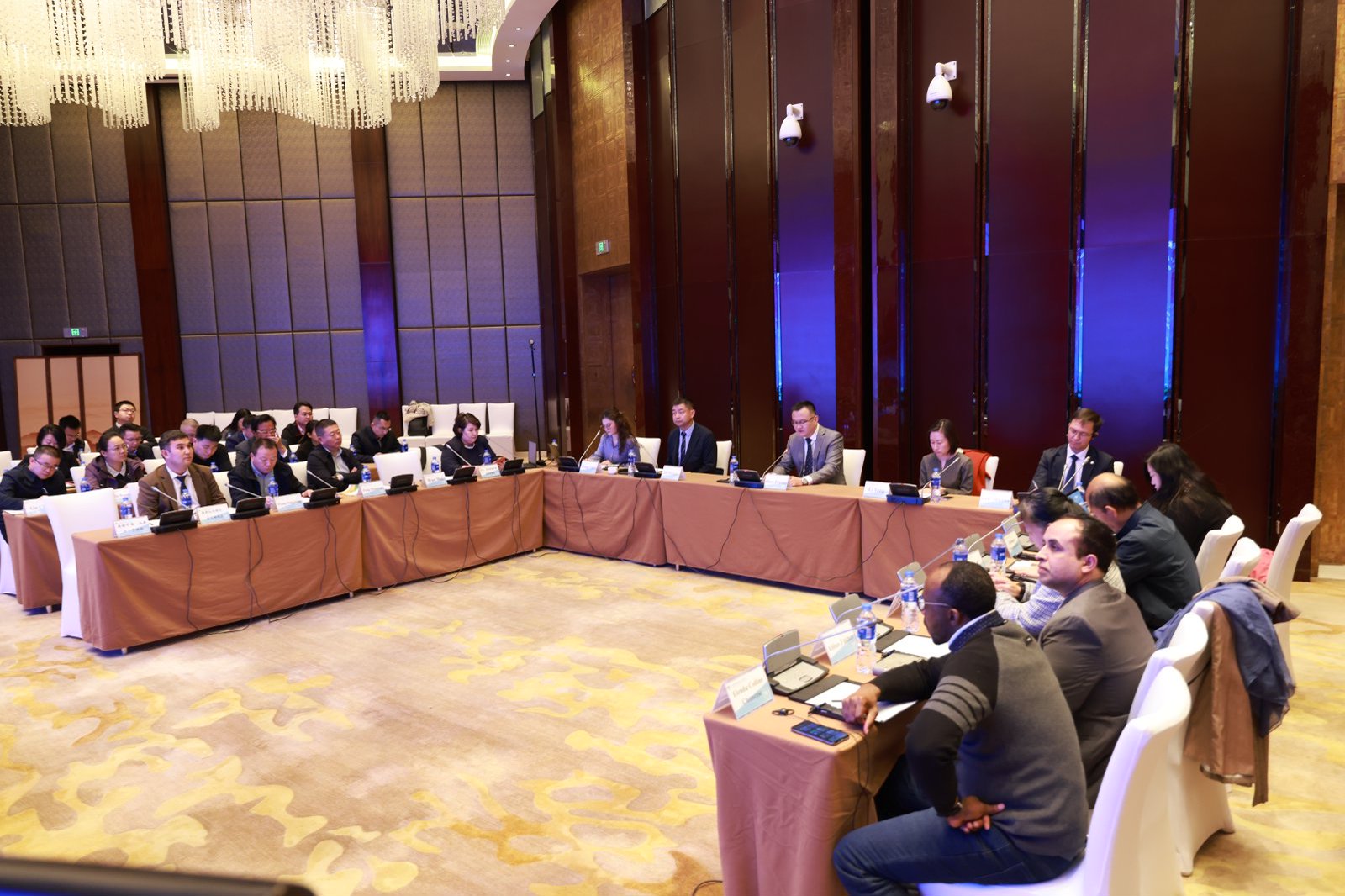
A dedicated session on regional research partnerships shifted the focus from individual national practices to shared challenges and complementary capabilities. Clean Air Asia addressed regional exchange and joint research for cleaner air, while the Chinese organizers explored approaches to bringing institutions and partners together and translating cooperation into implementation. Participants considered opportunities to compare monitoring methodologies, strengthen data and scientific exchanges, improve understanding of transboundary dust transport, and develop collaborative training, early-warning and demonstration activities. These themes were explored as potential avenues for follow-up cooperation, rather than as formally approved projects.
The CICA Secretariat presented the Organization’s practical mechanisms for supporting such initiatives, including its Catalogue of Confidence Building Measures, the roles of coordinators and co-coordinators, the Partnership Network of Leading Universities and the CICA Fund. Particular attention was given to how these platforms can help connect public authorities, universities and technical experts, develop focused research proposals and mobilize voluntary cooperation on environmental priorities.
On 4 November, the Research and Technology Matching Event on Desertification Prevention and Control broadened the discussion to dryland resilience and ecosystem restoration. Chinese scientists and practitioners, including representatives of the China–Central Asia Desertification Control Center, the Chinese Academy of Sciences and the Chinese Academy of Forestry, examined international cooperation models, sustainable dryland governance, new desertification-control technologies and integrated approaches to ecological rehabilitation in the Aral Sea region. Researchers from Uzbekistan presented the potential of salt-tolerant plants to reduce saline dust originating from the dried Aral Sea bed, alongside cultivation techniques; other case studies explored vegetation restoration and the combination of renewable-energy infrastructure with land rehabilitation.
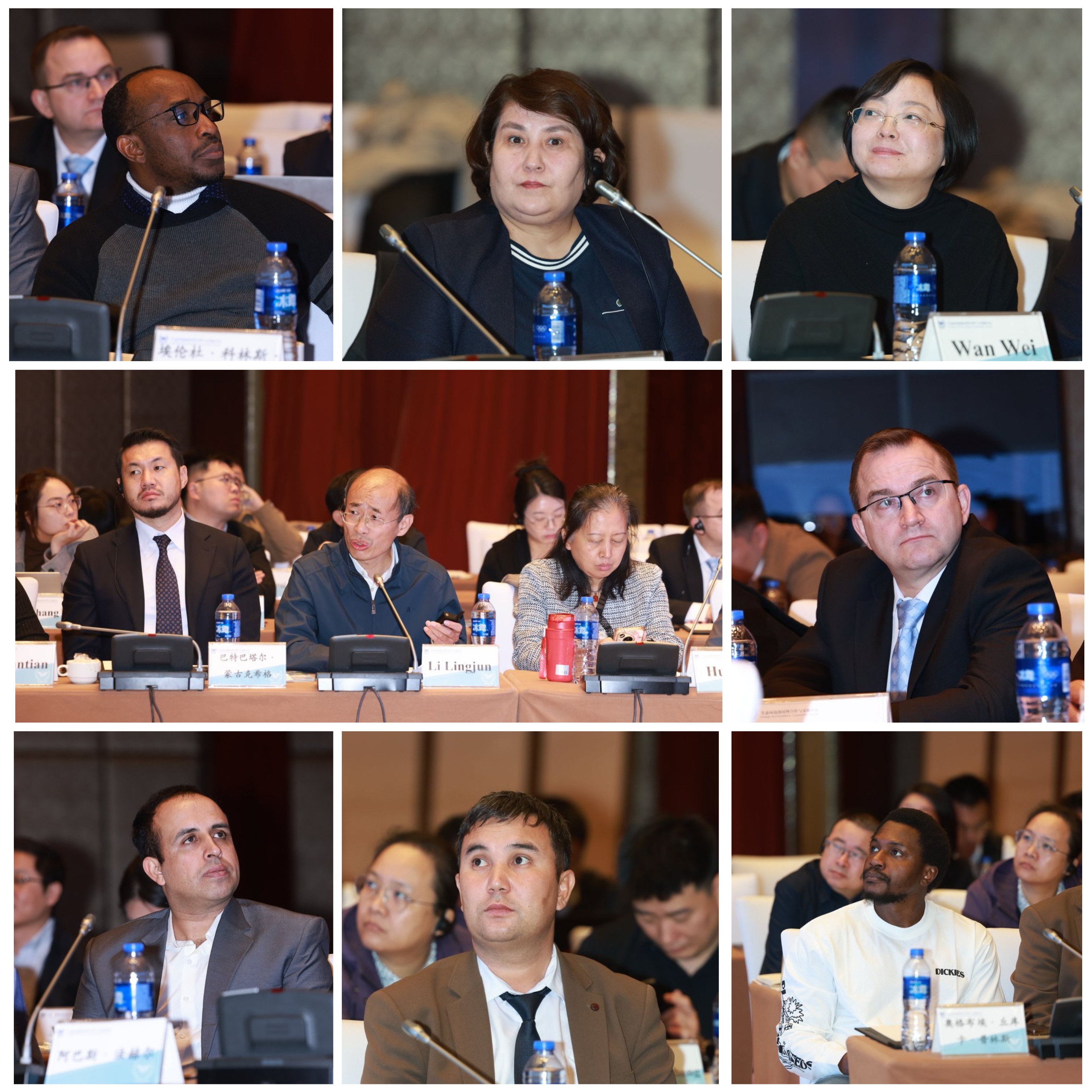
The matchmaking discussions brought together specialists and institutional representatives from Kazakhstan, Azerbaijan, the United Arab Emirates and Pakistan, together with Chinese research bodies and the United Nations Environment Programme. They provided a forum to identify cooperation needs and consider possible partnerships involving scientific studies, field trials, technology adaptation, training and knowledge sharing. The exchange underscored the value of matching locally identified environmental challenges with available research expertise and practical solutions, while leaving the design of any future projects to the interested partners.
Across both days, the Dialogue illustrated the scope for more systematic regional cooperation on air quality and land degradation: interoperable monitoring and data exchange; comparative research on PM2.5, dust and health; early-warning and risk-communication capacity; and applied research on desertification control and ecosystem restoration. It reaffirmed CICA’s role as an inclusive platform for voluntary, expert-driven interaction and for developing concrete cooperation opportunities in areas of common interest.
